Doggie Mamma asked Gabrielle McFall — sales representative at Dogmaster NZ and
independent dog trainer at New Zealand's Hamilton-based ADH Dog Training
— the questions every prospective dog owner should be asking before they choose a breed or a blend. What follows is largely her article . . . and is very much worth reading before getting carried away with pure aesthetics.
__________________________________________________
One of the biggest mistakes people make when choosing a dog is making their selection based on looks rather than lifestyle compatibility.
That's Gabrielle McFall's opening observation, and it's the thread that runs through everything that follows. McFall works in dog training aid retail and is a dog behaviour training specialist in her own right, which means she sees both ends of the equation — the excitement of choosing a dog, and the reality of what happens when the choice doesn't fit the property and the lifestyle it is introduced into.
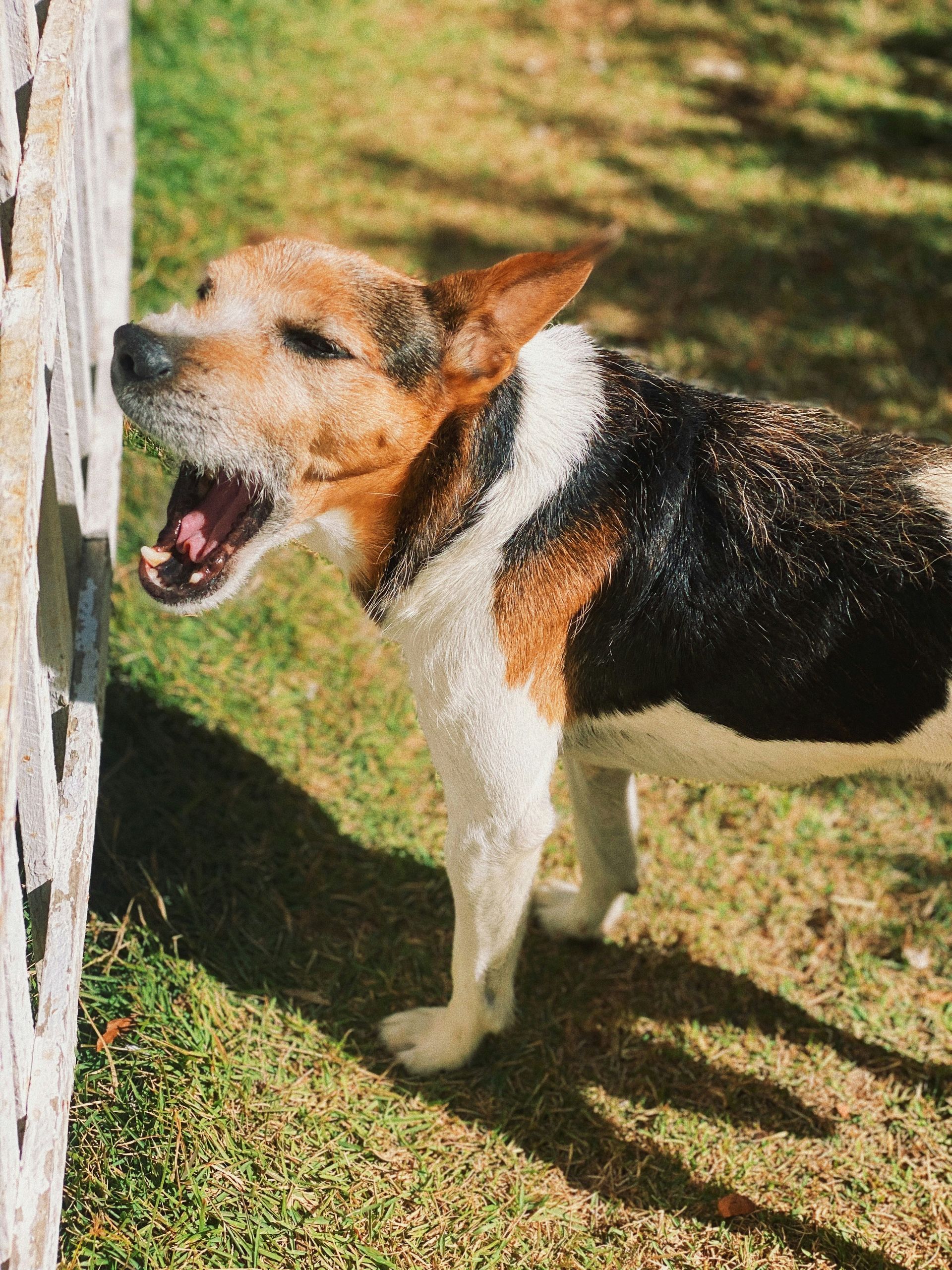
"Neighbourhood barking is rarely just a 'bad dog' issue," she says. "It's usually a communication issue, a management issue, or a mismatch between the dog's needs and its lifestyle. With the right tools, training, and realistic expectations, most barking problems can be improved significantly."
The Most Common Mismatches — And Why They Happen
"One of the most common examples of a mismatch is guarding breeds being placed in busy homes with frequent visitors, close neighbours, or townhouse environments where barking, territorial behaviour, and reactivity can quickly become an issue," McFall says. "Likewise, working breeds are often chosen for their looks or intelligence, without owners realising how much daily exercise, structure, and mental stimulation they require. When those needs aren't met, the result is often destructive behaviour, frustration, or ongoing behavioural problems within the home."
Spaniels are a current example.
"Spaniels are also becoming an increasingly popular breed, yet many owners under-estimate how much energy some of them have," says McFall. "Depending on the type of spaniel, some were bred to work, flush, and hunt, meaning they often need an active lifestyle and regular outlets for their drive. Others can be more laid back and may suit lower-energy households far better."
(EDITOR'S NOTE: I can attest to this. For the past two years, I've been
plagued by a neighbouring vociferous spaniel
that neither the owner refuses to control and the local council refuse to even acknowledge.)
The consequences of getting this wrong are not trivial.
"When a dog is placed in an unsuitable environment, the consequences can be serious. The dog may become stressed, frustrated, anxious, noisy, or destructive, and in some cases the relationship breaks down entirely. Sadly, that can lead to surrender, re-homing, or worse — which are preventable outcomes with better research, informed breed selection, and meeting the dog's needs from the start."
She advises that if someone lives in a dense suburban neighbourhood with houses nearby and works full time, then a lower-drive, calmer breed or an adult rescue dog with a settled temperament may be a better fit than a high-energy working dog or vocal breed. Good ownership, she says, starts before the dog comes home.
What to Look for If You're In A Suburban Environment
"For suburban households with close neighbours, limited space, and owners who work full or part time, I would look toward breeds known for calmer temperaments, moderate exercise needs, and the ability to settle indoors. Of course, every dog is an individual, but some breeds are more commonly suited to this lifestyle than others," she says.
Her list includes Cavalier King Charles Spaniels, Greyhounds — "especially retired racers, who are often surprisingly relaxed at home" — Bichon Frise, Shih Tzus, French Bulldogs with health considerations in mind, Whippets, and many older mixed-breed rescue dogs with established temperaments.
Labradors can also work, she says, but with a caveat:
"Some Labradors can suit this environment if they are mature and from calmer lines, though younger Labs are usually far more energetic."
"The key traits to prioritise are not just breed labels, but dogs that are less vocal, adaptable, sociable, able to cope with routine downtime, and content with regular walks plus companionship rather than constant stimulation. Adult or senior rescue dogs are often an excellent choice because their energy levels and personality are already clear, making it easier to choose a genuinely suitable match."
And on the question of lower-maintenance breeds, she's careful to draw a line:
"It's also worth remembering that 'lower maintenance' does not mean
no maintenance. Every dog still needs daily exercise, training, enrichment, grooming, and companionship — some simply require less intensity than others."
The Case for Rescue — And Why It's NOT A Compromise
Rescue dogs and mixed breeds are often overlooked in the breed selection conversation.
Many dogs in shelters and rescue facilities have ended up in there precisely because of a breed/lifestyle mismatch in their previous home - not because they're a "bad" or "uncontrollable" dog, she points out.
McFall, who is a strong advocate for rescue, wants to correct the whole misperception about adopting a surrendered dog . . . and also about mixed breed versus pure breed dogs.
"While rescue dogs don't always come with pedigree papers, they still have genetic tendencies, personality traits, and exercise or training needs that matter just as much as a purebred dog. Many dogs end up in rescues because their previous home wasn't the right match for their energy level, temperament, size, or behaviour needs."
Mixed breeds, she points out, have an under-appreciated advantage.
"One of the advantages of mixed breed dogs is they can carry positive characteristics from more than one breed. For example, a dog may have the friendly, gentle nature often associated with a Labrador, combined with the smart and eager-to-please nature of a border collie. They are not limited to one breed profile, which can create a wonderful balance of traits. Of course, every dog is individual, so personality should always be assessed in front of you rather than assumed from breed mix alone."
For prospective owners considering rescue, McFall recommends looking beyond appearance and asking practical questions.
"What is this dog like to live with day to day? How much exercise do they need? Are they social or more independent? How do they cope being left alone? Are they confident, sensitive, vocal, high energy, or laid back? What was this dog originally bred to do? A good rescue organisation can often provide valuable insight into these traits."
"For many households, a rescue dog can be a better choice rather than a compromise. Adult rescue dogs often already have established temperaments, so it's easier to match them to the owner's lifestyle than the as-yet 'unknown quantity' of a puppy. Many are past the intense puppy stage, may already have some training, and can settle beautifully into suburban homes, families, or quieter environments when matched well."
Her conclusion on rescue is simple:
"Choosing a rescue can mean getting the right dog for your life, while also giving a deserving dog a second chance. That's a win for everyone."
Testing the Fit Before You Commit
"One of the best ways owners can assess compatibility is through fostering, foster-to-adopt programs, or spending quality time with the dog in different settings before making a final decision. This gives both the owner and the dog a chance to see if the match works in real life, rather than relying on appearance or a brief first meeting," McFall recommends.
Real-life exposure reveals things a single meeting won't.
"A dog might seem calm in a kennel environment but be much more energetic in a home, or they may appear shy at first and then become very affectionate when settled. Time and space allow their true personality to shine through."
She recommends working with rescue organisations that are honest about a dog's needs and willing to support trial periods where possible.
"Even a few walks, meet-and-greets, or overnight stays can provide valuable insight."
"Choosing a dog should be about compatibility, not urgency. Taking the time to test the fit can prevent mismatches, reduce returns to rescue, and lead to more successful long-term homes."
If You've Already Made A Mismatch
If you already have the dog, you love the dog, but the fit isn't right — Gabrielle's first message is not to panic.
"The first thing I would say to someone who has already made a mismatch is not to panic or assume they've failed. Many people choose a dog with good intentions and only realise later that the dog's needs are different than they expected. What matters now is being honest about the situation and making responsible decisions from that point of realistic assessment."
The first step, therefore, is to assess whether the gap can be bridged.
"This might mean increasing exercise, adding mental enrichment, using dog walkers or daycare, adjusting the home environment, committing to training, or bringing in professional support. Sometimes small changes can make a significant difference. Often the issue is a lack of appropriate outlets for their energy."
But if the situation is more serious — if the dog is chronically stressed, developing behavioural problems, and the owner genuinely cannot meet its needs despite real effort — re-homing may be the kindest option - preferably through an
active foster-based re-homing group or a shelter with a strict "no-kill" policy.
"Re-homing should never be seen as a failure when it is done thoughtfully and responsibly. In most cases, giving a dog a better suited environment is the most loving decision an owner can make."
"The key is to act early, seek advice, and be realistic. Dogs do best when their needs and home life are in balance, and sometimes that balance can be created. But sometimes it does, in fact, need a different home to achieve that."
In summary, good ownership starts before the dog comes home. But it's most often never too late to get it right.